Our fabric
Swimwear from recovered nylon
What our suits are made of, where it comes from and how to make them last.
Where it starts
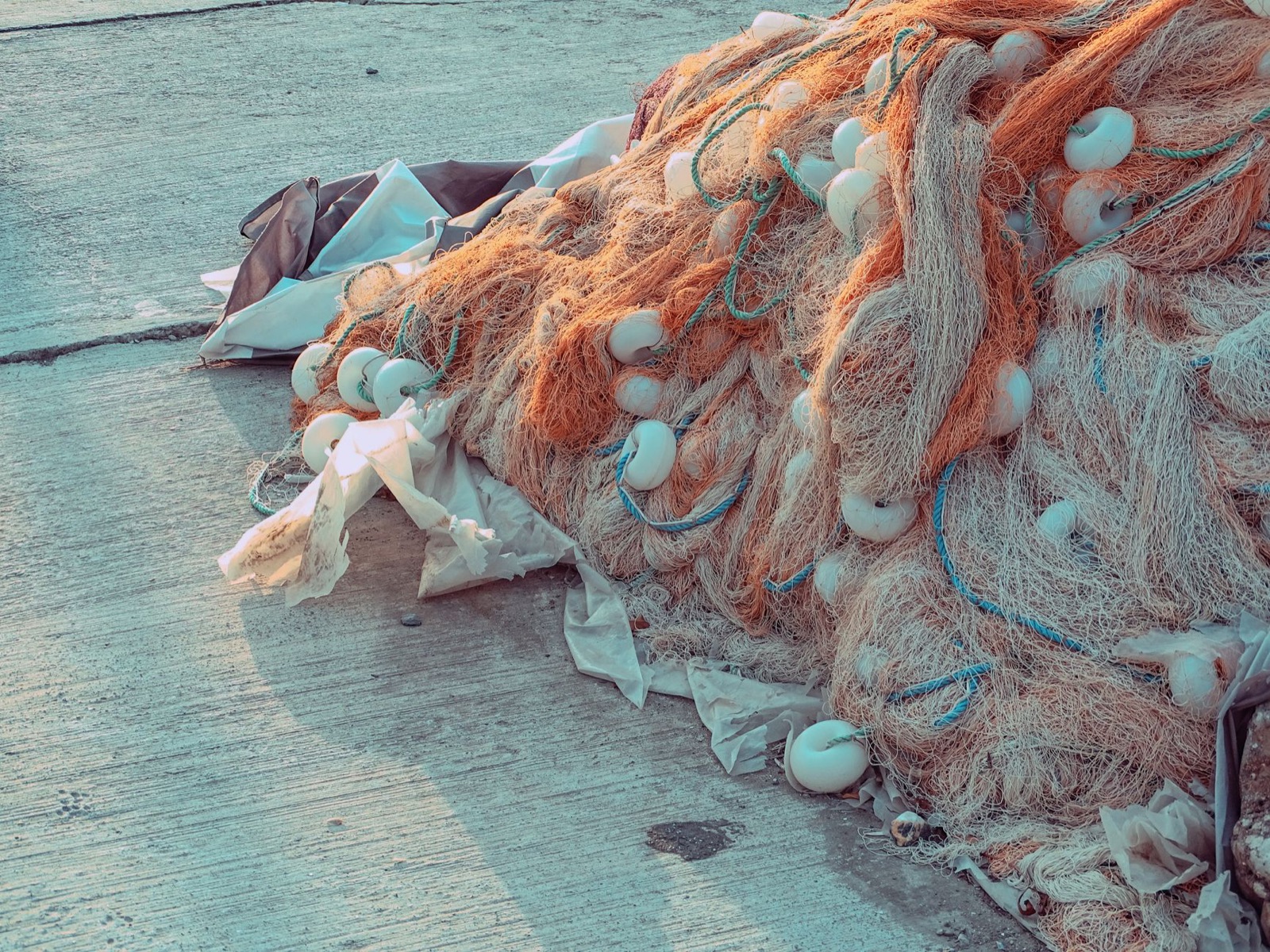
Fishing nets, carpet fibres and fabric scraps
Old nylon fishing nets are one of the most common kinds of plastic waste in the ocean. Our fabric mill buys recovered nets, carpet fibres and factory scraps, cleans them, breaks them down and turns them back into nylon yarn.
The yarn is as strong as new nylon, so the fabric holds its shape in salt water and chlorine for seasons, not weeks.
- Made from recovered nylon waste
- Knitted and dyed at a certified mill
- Same strength as new nylon
The rest of the range
Every material, and why we chose it
Recycled linings
All suit linings are recycled polyester, soft against the skin and quick to dry.
Organic cotton
Our gauze shirts and beach towels are organic cotton, washed soft before they ship.
Paper parcels
Every order ships in a recycled paper mailer with paper tape. No plastic bags.
Made in small runs
Cut and sewn in California
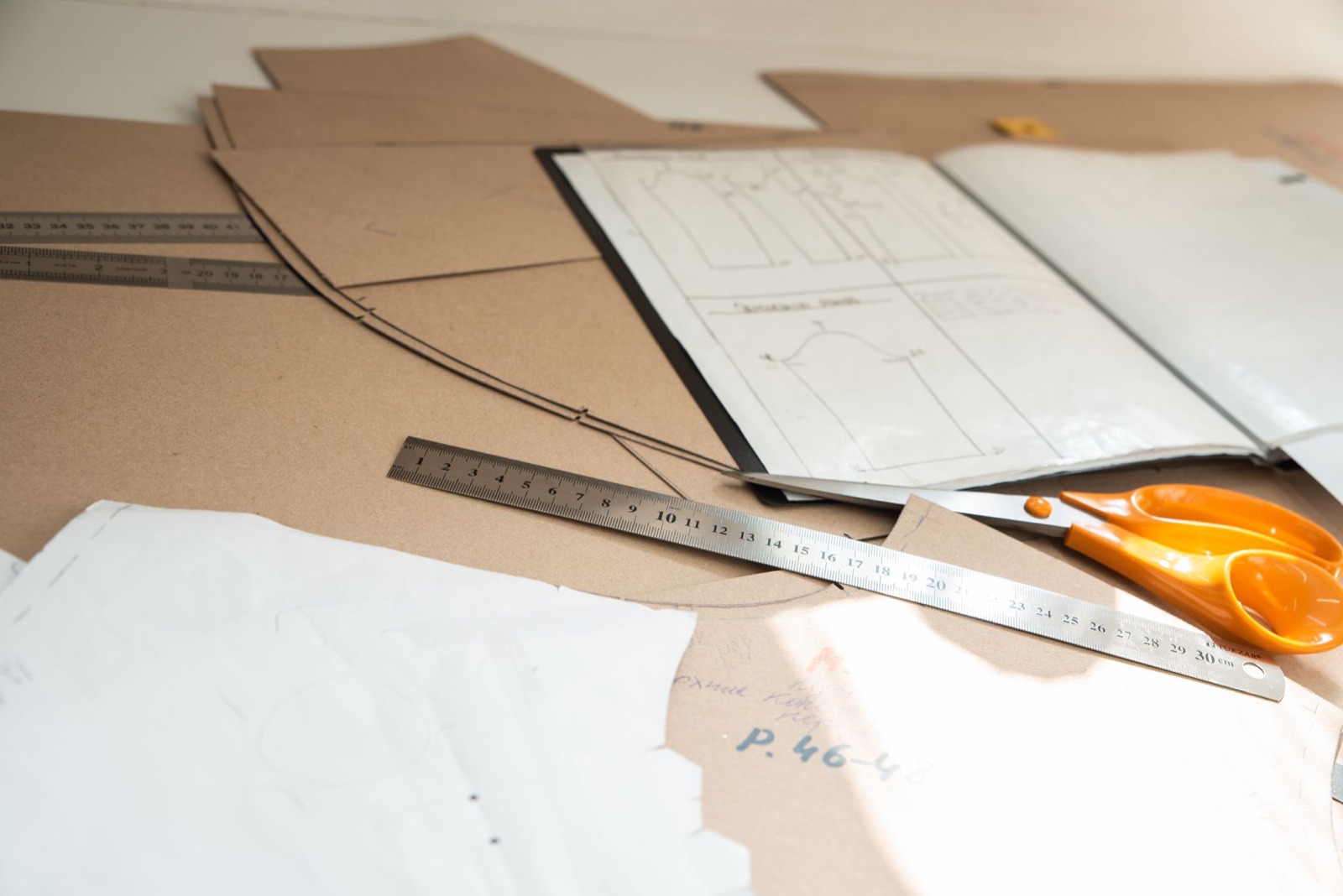
Our patterns are cut in the studio behind the shop and the suits are sewn by a family-run workroom in Los Angeles that we visit every month. Small runs mean we make what sells and very little goes to waste.
- Runs of 150 to 400 suits per colour
- Offcuts sent back to the mill for recycling
- Fit sessions with real swimmers before every run
FAQ
Swimwear care
How do I wash my swimsuit?
Rinse it in cold fresh water after every swim, then hand wash with a little mild soap once a week. Never put it in the dryer.
How do I dry it?
Roll it in a towel to squeeze out water, then dry it flat in the shade. Sun and heat wear out elastane fastest.
Is it chlorine resistant?
It holds up well in chlorine. For daily pool training, rinse straight after every swim and it will last a full season or more.
What about microfibres?
Wash swimwear by hand, or in a mesh wash bag with a full load on a cold, short cycle. That keeps fibre loss low.