Learning
What children learn, grade by grade
A clear plan for reading, writing and math, with science, social studies, the arts and the outdoors built in.
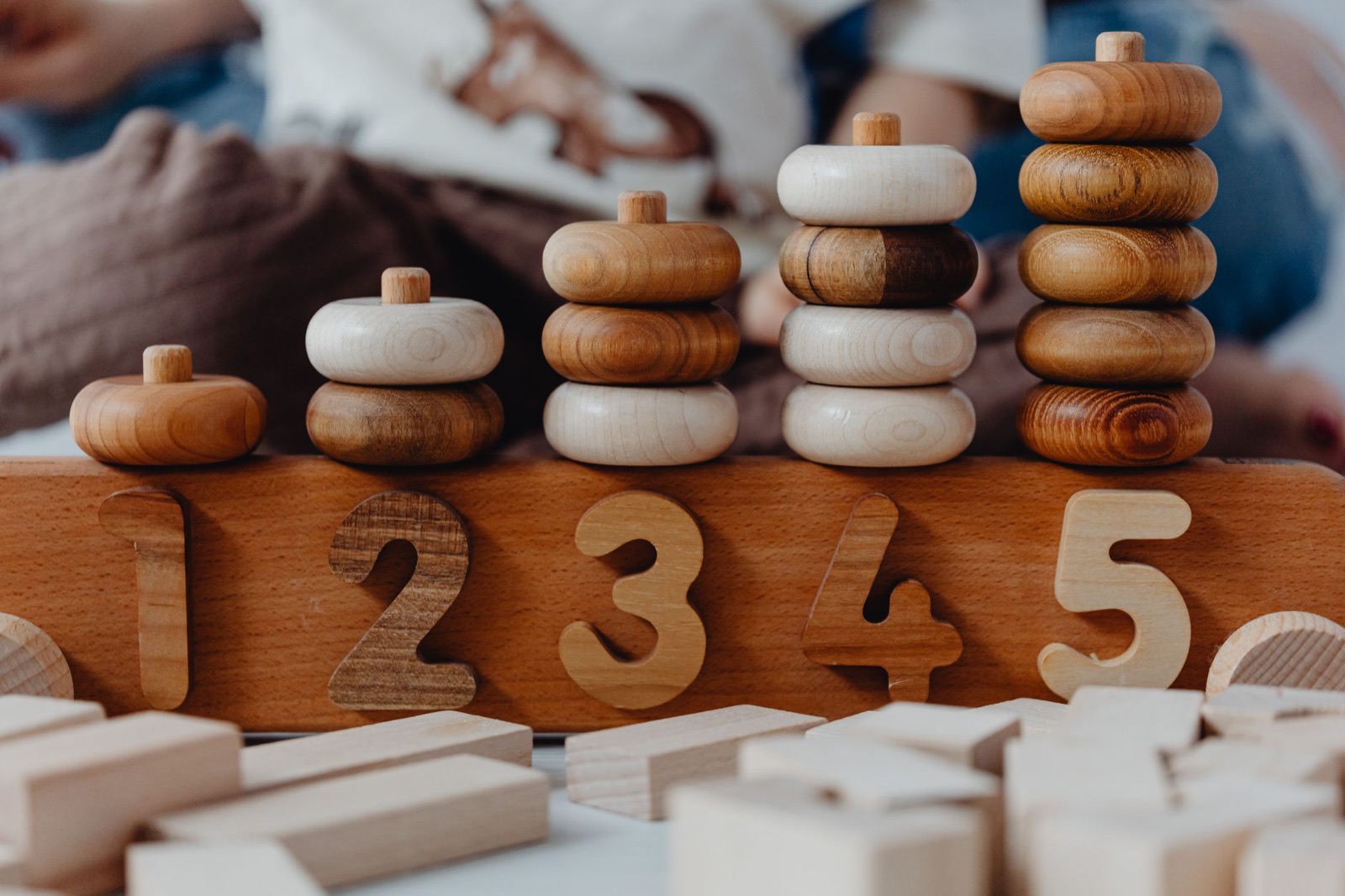
Kindergarten · ages 5 to 6
Learning to love school
Kindergarten is two classes of 16, each with a teacher and an assistant. The day mixes short lessons with long stretches of play, building and drawing.
By June most children know their letters and sounds, read simple words, count to 100 and can sit in a circle and listen to a friend.
- Letters and sounds every morning
- Number games and counting collections
- Weekly cooking and the class garden bed
Grades 1 and 2 · ages 6 to 8
From sounding out to reading for fun
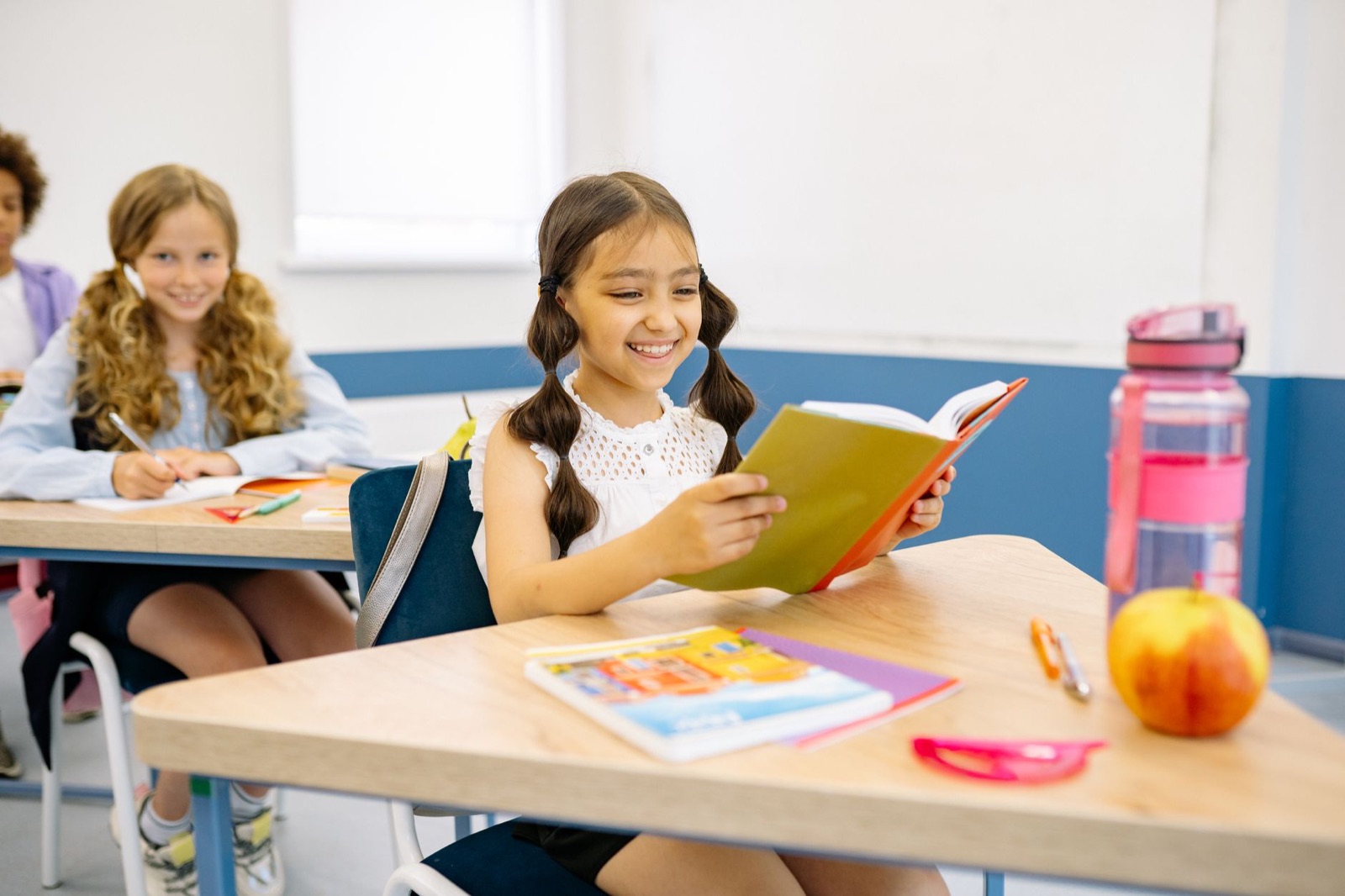
In first and second grade, children move from phonics to fluent reading. Each class has 18 children, a teacher and an aide, so reading groups stay small.
In math they add and subtract to 1,000, learn about money and time and solve word problems with drawings. Science notebooks start here: plants, weather, magnets and the life of the school pond.
- 30 minutes of independent reading a day
- Writing workshop three times a week
- Science notebooks from grade 1
Grades 3 to 5 · ages 8 to 11
Ready for middle school, and curious about it
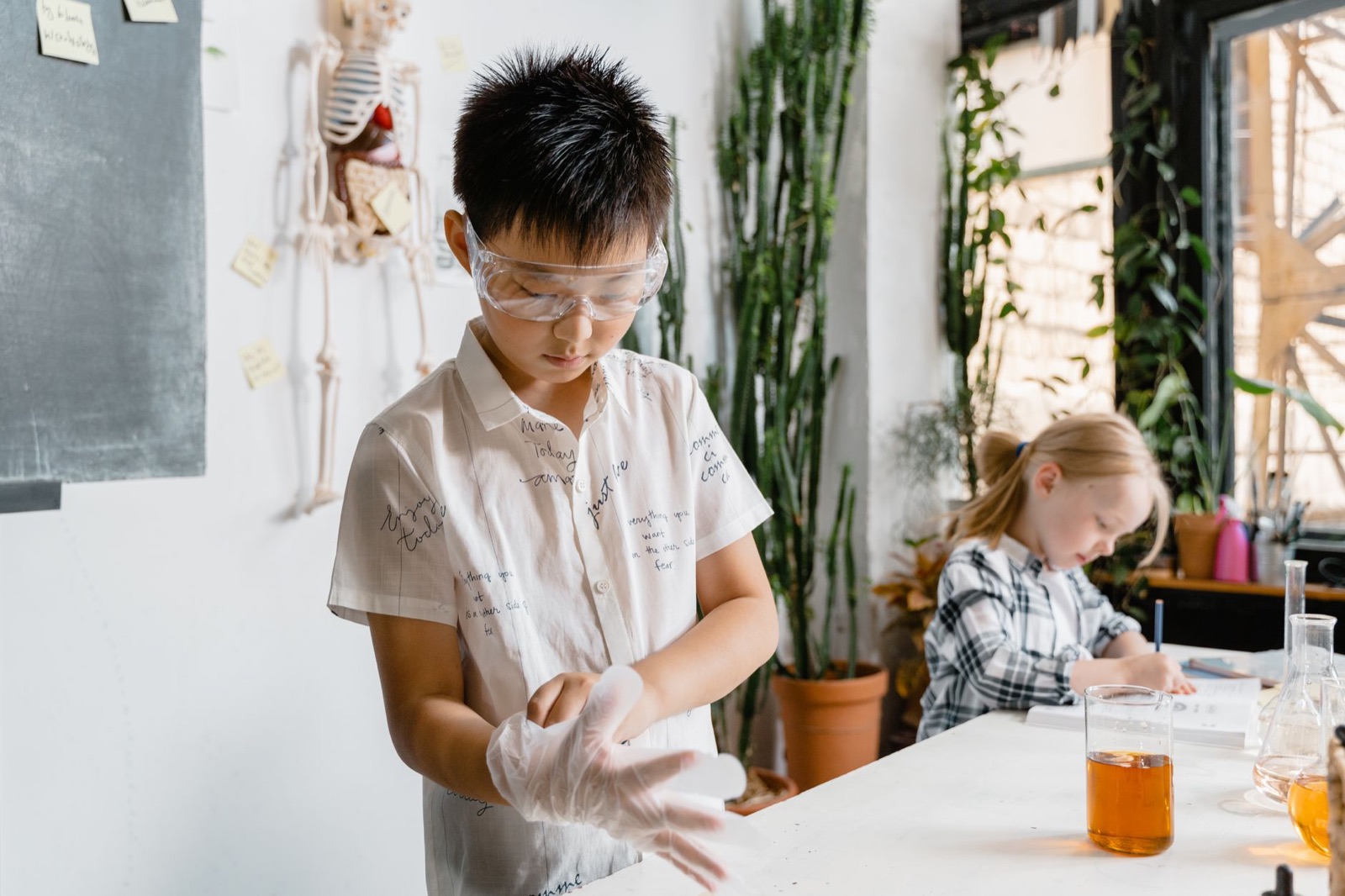
Older children read chapter books and nonfiction, write research reports and learn to give and take feedback. Math covers multiplication, division, fractions and decimals, with weekly problem-solving sessions.
Each year ends with a project. In grade 5 it is the exhibition: every child researches a question for eight weeks and presents it to families.
- Research projects each term
- Overnight trip to the Berkshires in grade 5
- 5th grade exhibition in May
Arts and specials
Taught by specialists, every week
Plus PE three times a week in the gym or on the field.
Art studio
Hannah Oduya teaches art to every grade twice a week, in a studio with a kiln and a long sink.
Music
Peter Lindgren runs singing, recorder in 3rd grade and the winter and spring concerts.
Spanish
Marisol Vega teaches Spanish from kindergarten, through songs first and reading from grade 2.
Library
Nora Quinn looks after 9,000 books and a weekly library lesson for every class.
Outdoor learning
A classroom with nine acres of woods
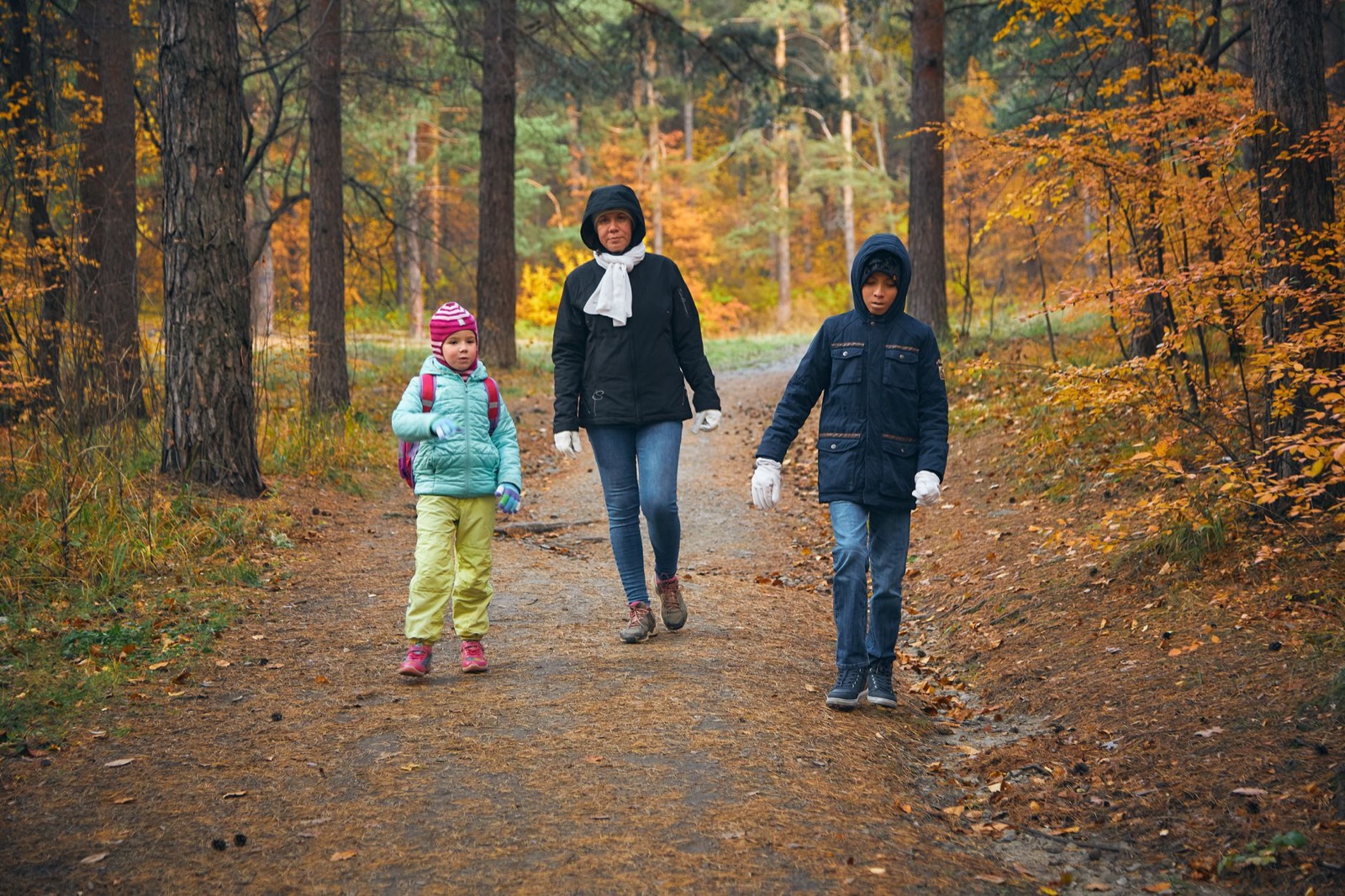
Every class spends one morning a week in our woods, rain or shine. Children build shelters, follow animal tracks, measure trees and write in field journals. In winter they study snow and ice; in spring they count frogs at the pond.
Teachers link the woods to classroom work: a grade 2 unit on habitats, grade 4 maps, grade 5 data on stream temperature.
- Waterproof gear lent to every child
- Two adults per group of ten
- Fire circle only with a trained teacher
FAQ
Questions about learning
Do you give homework?
Kindergarten: none. Grades 1 and 2: reading at home and one short math sheet a week. Grades 3 to 5: up to 30 minutes on school nights, never on weekends.
Do children take standardized tests?
We use short reading and math checks three times a year to plan teaching. Grades 3 to 5 also take one national test in spring. We share all results with you.
What if my child needs extra help or more challenge?
Our learning specialist works with small groups and individual children. We meet with you to agree a plan and review it each term.
How do children move on to middle school?
Most of our 5th graders go on to Northampton public middle schools or local independent schools. We help with visits and send a full report to the new school.