How we farm
Soil first, then everything else
Plain notes on how we look after the soil, the water and the animals on our 160 acres.
Soil
Feeding the soil, not just the crop
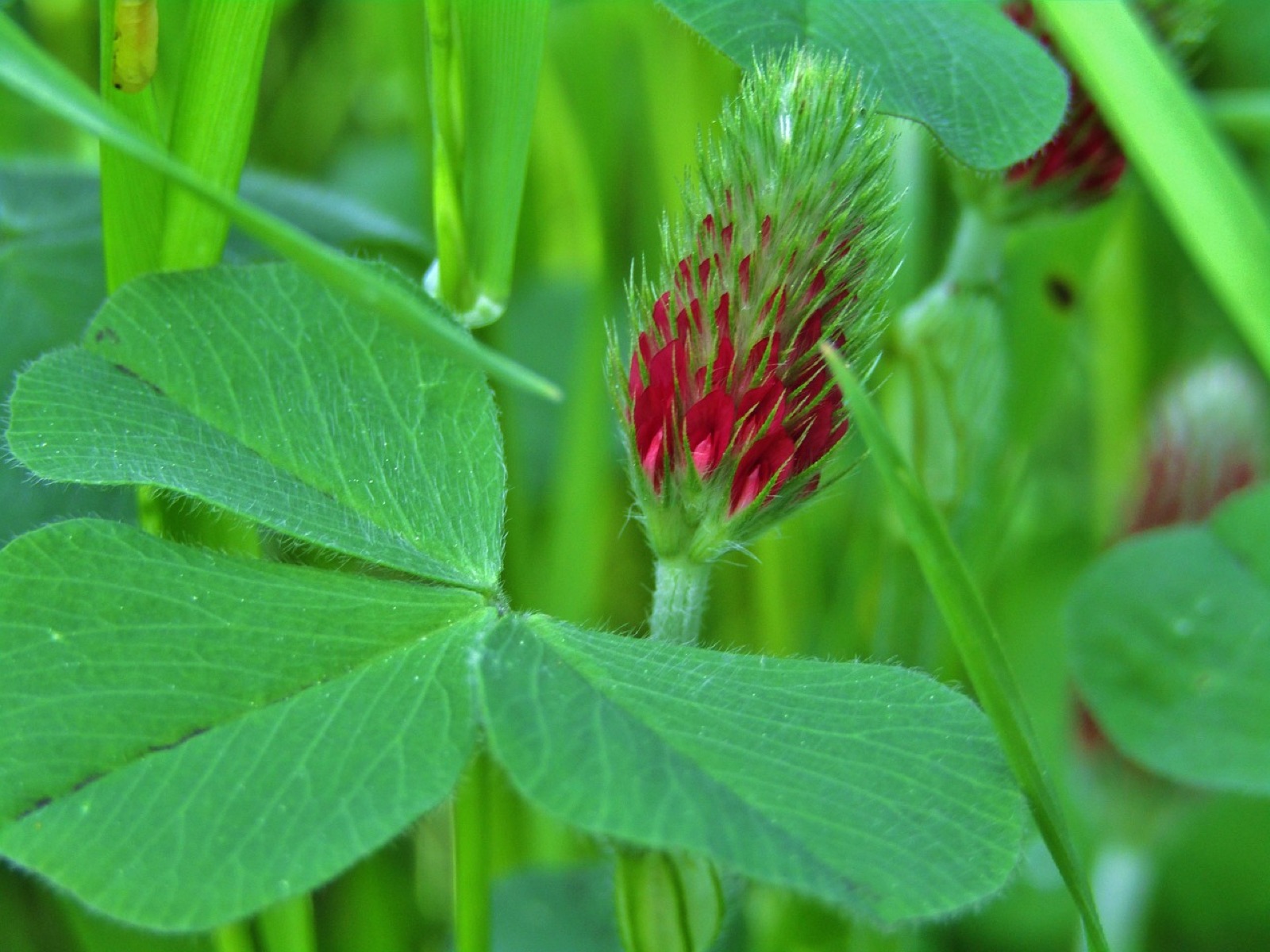
Every field on the farm follows a five-year rotation: two years of vegetables, a year of wheat, a year of oats with clover, and a year of pasture grazed by the cattle. The clover and the cattle put back what the vegetables take out.
We test every field every two years. Organic matter in our oldest vegetable field has gone from 2.8% in 2010 to 4.6% in 2026.
- Cover crops on every bare field over winter
- Compost from our own manure and crop waste
- No synthetic fertilizers or herbicides
- Shallow tillage only where we plant vegetables
Water
Every drop where the roots are
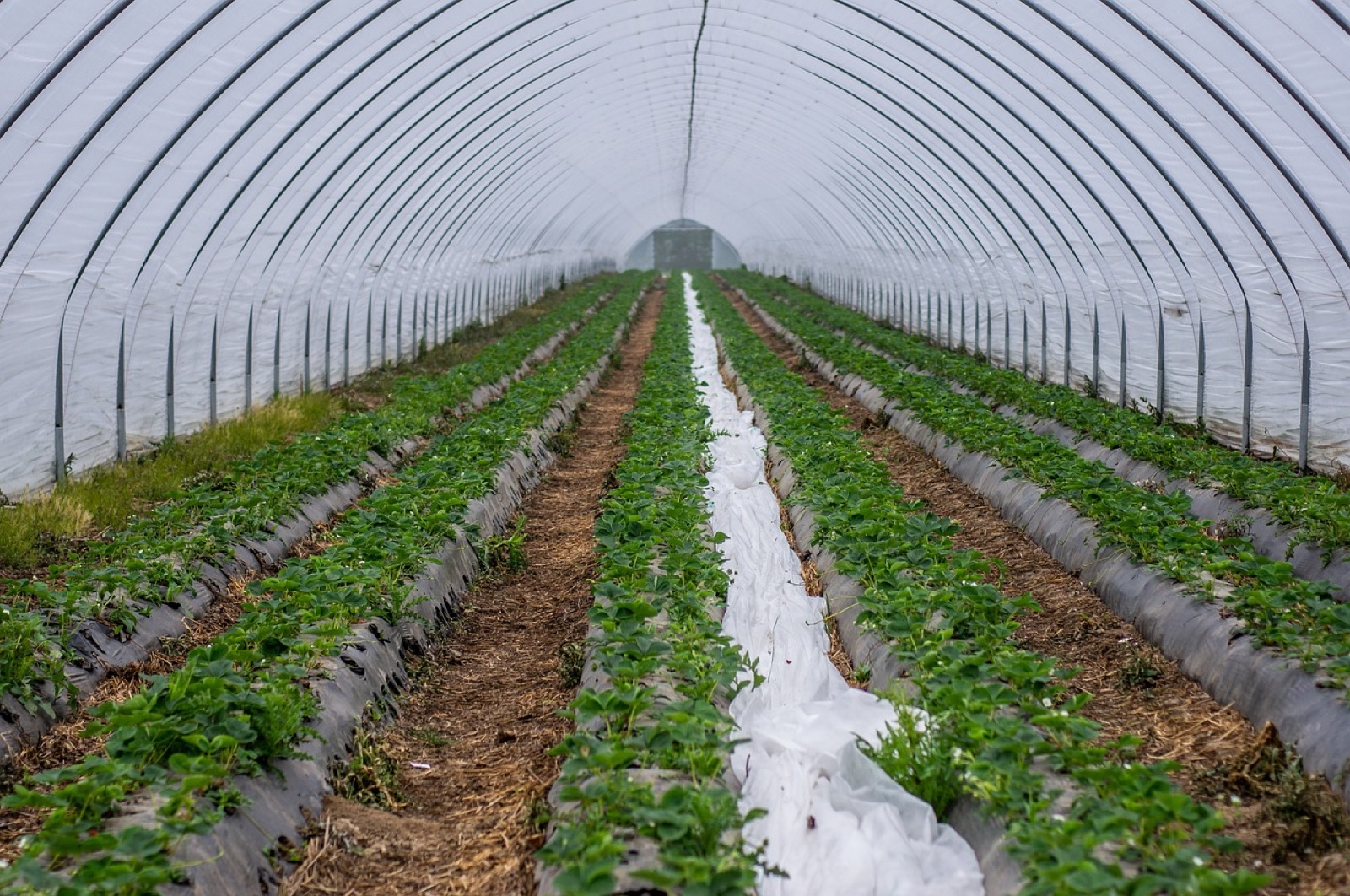
Hollis Creek runs along the bottom of our land, and we want it clean. Vegetables are watered by drip lines from our own well, which uses about half the water of overhead sprinklers. Grain and pasture are rain-fed.
- Drip irrigation on all 12 vegetable acres
- A 50 ft grass strip along the creek, never plowed
- Cattle fenced out of the creek, watered from tanks
- Soil moisture sensors in four fields
Animal care
Outside, on grass, moved often
Our 600 hens live in mobile coops that we move to fresh grass every three days. They scratch through the pasture after the cattle and spread the manure. In winter they live in a bright, deep-bedded hoop barn with outdoor access on dry days.
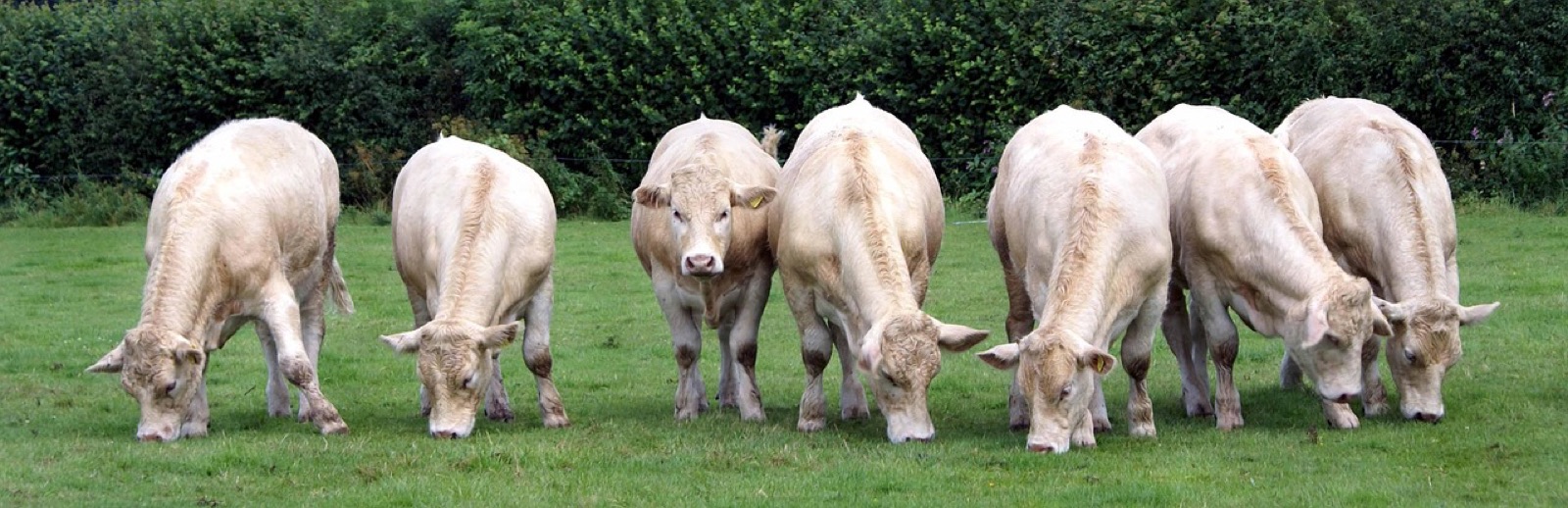
Our 40 beef cattle graze from May to November, moved to a new paddock every one or two days, and eat our own hay in winter. They are never given growth hormones or routine antibiotics. A sick animal is treated and its meat is not sold for the withdrawal time and longer.
- Hens: about 43 sq ft of pasture each in season
- Cattle: grass and hay only, no grain
- Vet visits every spring and fall
- Processed at a family-run, state-inspected butcher 18 miles away
Certifications and checks
Who checks our work
Certified organic
Vegetable fields inspected every year by a USDA-accredited certifier.
Food safety plan
A written plan for washing, packing and cold storage, reviewed every spring.
Egg license
Our egg room is licensed and inspected by the state agriculture department.
FAQ
Questions about our farming
Why are the grain and beef not certified organic?
They follow the same rules, but certifying the whole farm costs more than our grain and beef customers would pay for the label. We are happy to show you our records.
Do you spray anything?
On vegetables we sometimes use approved organic sprays, like a natural soil bacterium against cabbage worms. We list every spray in our yearly report to CSA members.
Can I see the farm for myself?
Yes. Join a Saturday farm tour or come to the CSA open day in June.