Tires are the only part of your car that touches the road. A ten-minute check once a month keeps them safe, quiet and lasting longer.
Check pressures when the tires are cold, first thing in the morning. The right numbers are on a sticker inside the driver's door, not on the tire itself. A $15 digital gauge is more accurate than most gas station gauges.
Low pressure is the most common problem we see. Tires lose about 1 psi a month, plus 1 psi for every 10 degrees the temperature drops, so check more often in the fall.
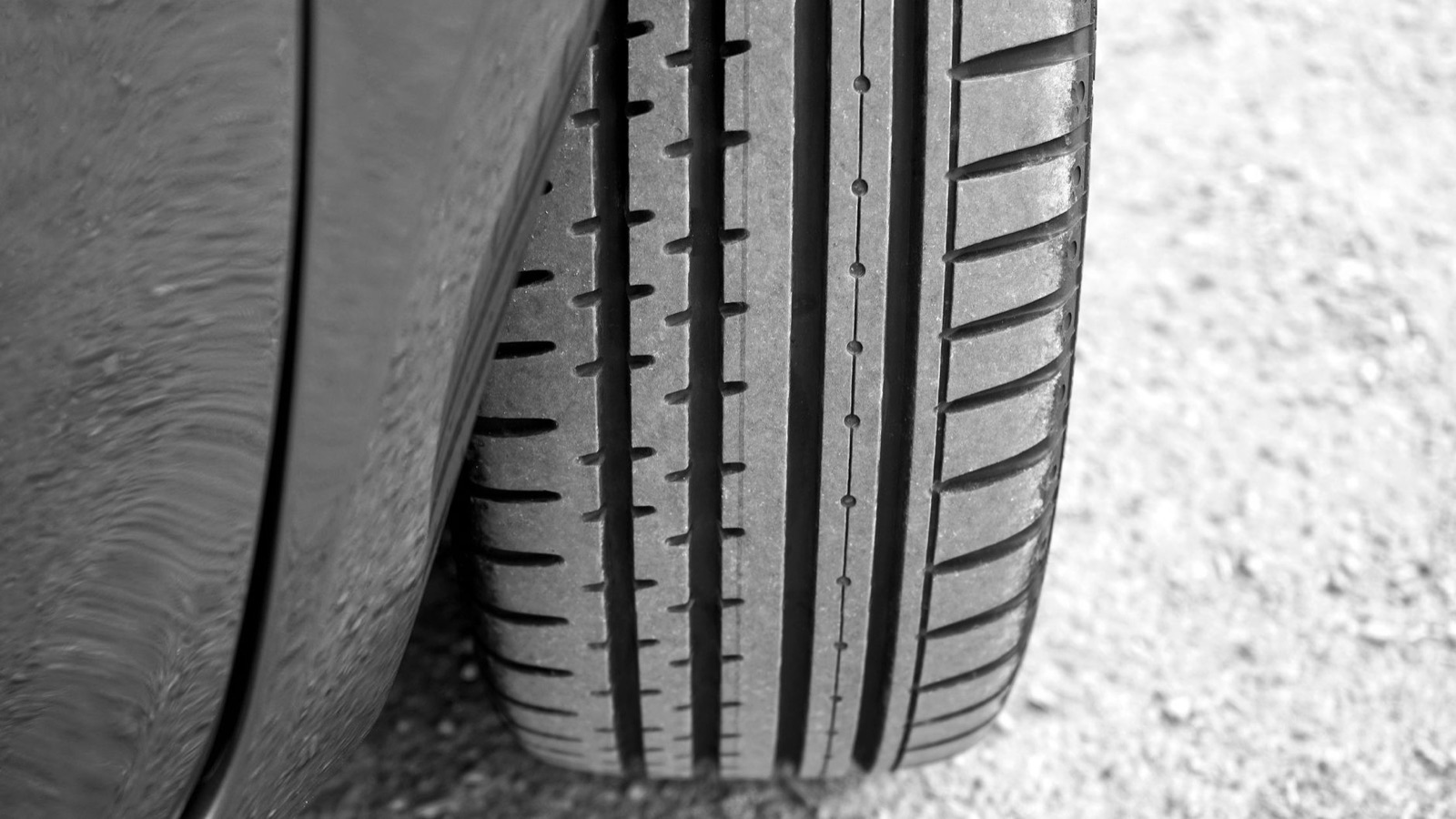
For tread depth, use a tread gauge or the coin test: put a quarter into the groove with the head pointing down. If you can see the top of the head, you have less than 4/32 of an inch left and it is time to shop for new tires, especially before winter.
Look for uneven wear while you are there. Wear on both edges means low pressure. Wear on one edge usually means the alignment is off. Bulges or cuts in the sidewall mean the tire needs replacing now.
Rotate the tires every 5,000 to 7,500 miles, or at every oil change. It evens out wear and can add 20 percent to their life.
When you do buy new tires, check the date code on the sidewall: the last four digits show the week and year they were made. Tires age even in storage, and we would not fit any that are more than two years old. Ask the shop to show you the code before they mount them.